

Energy audit to DIN EN 16247 for a retailer with a nationwide branch network
Multi-site procedure with clustering, a model branch and representative inspectionsThe company sells a broad range of goods, from office and household items to food and pet food. It operates standardised branches across Germany on leased premises in retail parks, city centres and shopping centres, as well as a head office with administration and a logistics centre.
Audit type
Energy audit to DIN EN 16247-1 under sections 8 et seq. EDL-G
Industry
Retail sale of a range of goods: branch network with central warehouse
Sites
Nationwide branch network and head office, grouped into two clusters
Energy carriers
Electricity, natural gas, district heating, heating oil and fuel
Why energy efficiency matters in a branch network
In multi-branch retail, energy demand is spread across many similar sites. Heating, lighting and ventilation of the sales areas drive consumption, along with logistics and the vehicle fleet.
Small improvements per branch add up across the number of sites to noticeable effects on energy costs and the carbon footprint. At the same time, the EnEfG and CSRD raise the requirements for consumption transparency and energy management.
What was the focus of the audit?
Allocation of energy consumption to consumer groupsWe determined total energy consumption across all sites and energy carriers. Using the multi-site procedure, the sites were grouped into the clusters head office and branches. The focus was on heating, equipment and lighting in the branches, and on the vehicle fleet.
How did the energy audit work?
From the kick-off meeting to the BAFA submission- Kick-off meeting: Define the scope, system boundaries, clustering and criteria for assessing measures.
- On-site inspection: Inspection of the head office and of a representative selection of branches determined using the multi-site procedure.
- Data collection and analysis: Evaluate utility and service charge bills, meter readings and fuel receipts; model unmetered consumption to VDI 3807.
- Assessment and report: Derive measures and recommendations, assess cost-effectiveness using the net present value method, point out suitable funding programmes and prepare the energy audit report.
- Completion and BAFA submission: Online submission to BAFA and closing meeting with the organisation.
What made this audit special?
Conditions that shaped the approach and the resultLarge number of sites
The many branches required traceable clustering. We transferred the inspection results to comparable sites.
Incomplete consumption data
We supplemented flat-rate and service charge bills from landlords with area-specific values from a model branch.
Leases
Heating and ventilation in the branches are the landlords' responsibility. Potential therefore lay mainly in operational management and user behaviour.
Branch operations
Open doors, temperature and ventilation control not matched to demand, and a lack of staff instruction were the main starting points.
Project profile
| Audit type | Energy audit to DIN EN 16247-1 under sections 8 et seq. EDL-G |
|---|---|
| Industry | Retail: other retail sale in non-specialised stores (branch network with central warehouse) |
| Focus areas | Heating, lighting, ventilation and air conditioning of sales areas, hot water, equipment (incl. checkout, refrigeration and security technology), vehicle fleet |
| Possible additional reviews | Application of the multi-site procedure, creation of a model branch, energy indicators to VDI 3807, cost-effectiveness analysis using the net present value method, review of funding options, classification of requirements under the EnEfG (incl. energy or environmental management system) and CSRD |
More energy audits by INOPCO
References from industry, retail, IT and healthcare
IT service provider with data centre
Electricity consumption of servers, air conditioning and offices broken down across two leased sites, with separate indicators for server and office space.

Vehicle manufacturing: bodies and trailers
Hall heating, compressed air and production equipment assessed at an extensive production site, including load profile analysis and benchmarking to VDI 3807.

Healthcare: specialist hospital
Heat supply with a CHP unit, medical equipment and listed buildings at four sites, assessed during ongoing hospital operations.
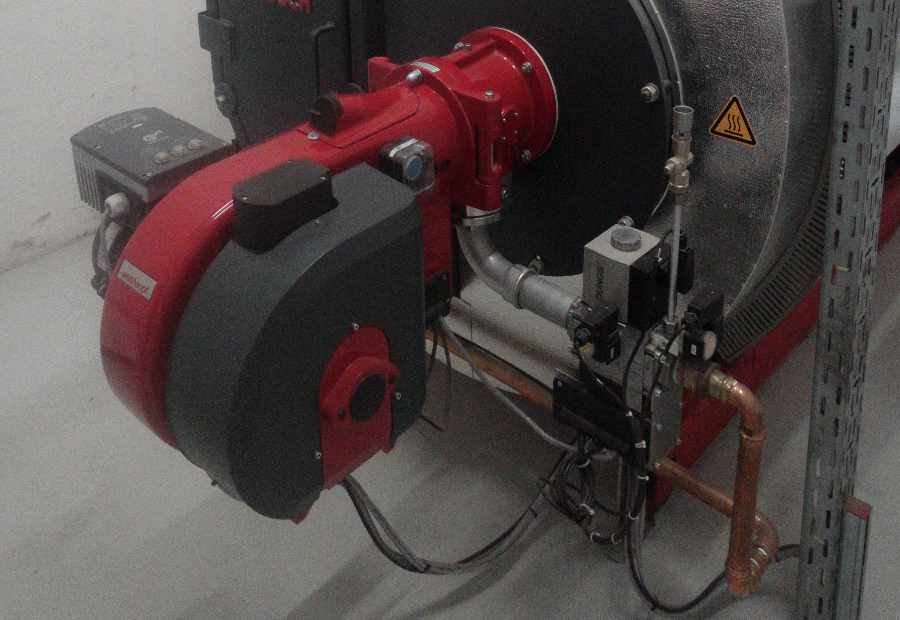
Chemicals: modified starch production
Process steam, production machinery and historic buildings in continuous shift operation, with load profile analysis and a review of on-site power generation.