
Energy Audit according to DIN EN 16247 for a Non-Food Production Site
Repeat audit, energy consumption analysis and efficiency measures in an energy-intensive production environmentFor a production site in the field of other chemical products, INOPCO carried out an energy audit according to DIN EN 16247. The site produces non-food products and combines typical challenges of manufacturing companies with energy-intensive processes, grown existing buildings and group-wide efficiency targets.
Request an Energy AuditAudit Type
Energy audit according to DIN EN 16247 as a repeat audit with structured audit report.
Industry
Non-food production in the field of chemical products and industrial manufacturing.
Focus
Analysis of energy use and development of specific energy efficiency measures.
Additional Review
Assessment of a photovoltaic system as a supplementary measure.
Energy Efficiency in Manufacturing
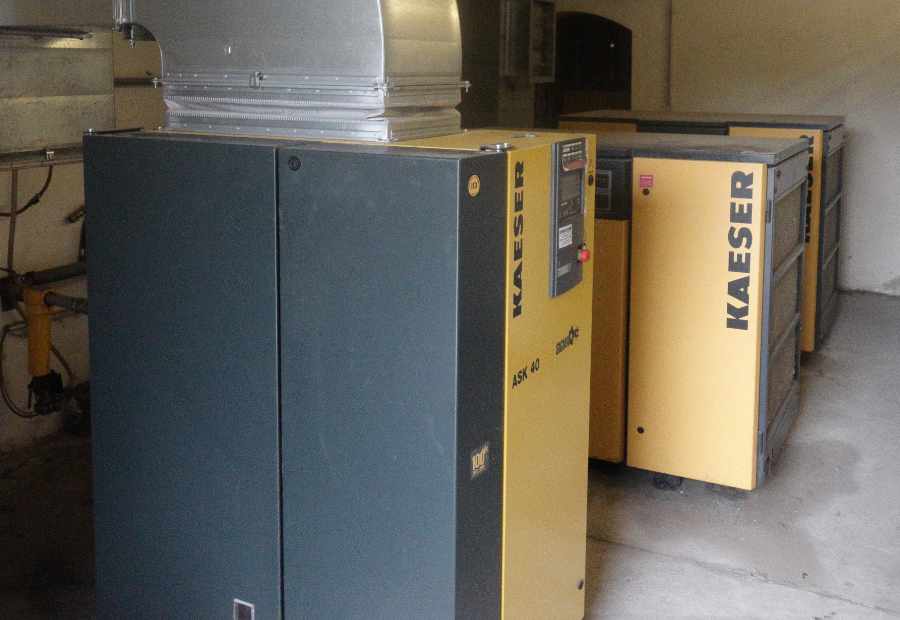
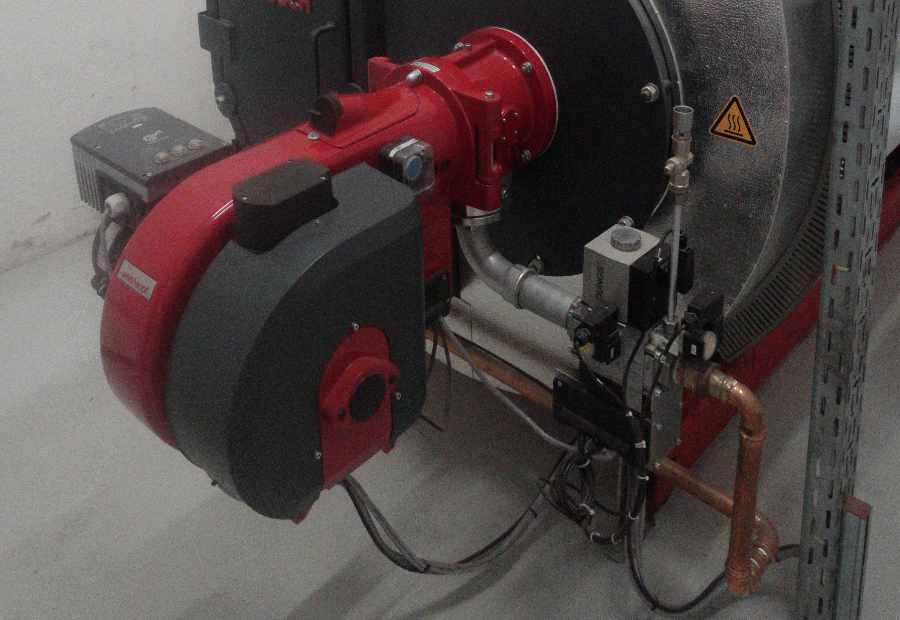
In the non-food sector, major energy consumption is not only caused by building services, but above all by production-related processes, media supply, plant operation, compressed air, heat, ventilation, pumps, drives and auxiliary equipment. For a robust energy audit, these consumers must not be evaluated in isolation, but in connection with production conditions, batches, operating hours and quality requirements.
The challenge was to identify technically realistic measures that take ongoing production into account while making a measurable contribution to energy targets, cost reduction and corporate requirements.
Audit Focus
The audit combined site assessment, energy analysis and measure evaluation with a clear focus on production reality and long-term site development.
Energy Use
Structured recording and evaluation of major consumers, energy carriers and operational influencing factors.
Process Proximity
Evaluation of energy-intensive production areas considering utilisation, availability and process requirements.
PV Potential
Assessment of a photovoltaic system as an additional element for reducing grid electricity demand.
Building Envelope
Evaluation of the heavily outdated building envelope of a converted former sugar factory.
Audit Report
Professional documentation of the analysis, verification and specific efficiency measures.
Corporate Context
Consideration of the requirements of a company site within a group structure.
1. Understand the Site
The production site was characterised by grown building structures, former industrial use and energy-intensive manufacturing processes. For the audit, the existing conditions were recorded and evaluated from an energy perspective.
- Assessment of production and supply areas
- Evaluation of building envelope and site structure
- Alignment with energy targets and reporting obligations
2. Evaluate Energy Flows
The focus was on the major energy uses of production. Consumers were evaluated not only technically, but also in terms of operational relevance, process dependency and feasibility of measures.
- Analysis of energy consumption and energy carriers
- Evaluation of energy-intensive processes
- Identification of key efficiency potential
3. Derive Measures
The results were compiled in an audit report. In addition to classic efficiency measures, the potential installation of a photovoltaic system was assessed as an additional contribution to energy supply.
- Specific energy efficiency measures
- Assessment of a photovoltaic system
- Documentation in the audit report according to DIN EN 16247
Specific Challenge: Energy-Intensive Processes in Existing Facilities
Efficiency measures must be technically sound, economically robust and operationally feasibleIn non-food manufacturing companies, energy efficiency is often directly linked to process reliability, plant availability and product quality. Measures therefore cannot be evaluated solely on the basis of calculated savings potential. What matters is whether they are compatible with ongoing production, maintenance windows, existing media networks, structural restrictions and investment logic.
The former industrial building structure and the outdated building envelope opened up additional efficiency potential, but also required careful prioritisation: measures relating to envelope, technical systems and production had to be evaluated in such a way that short-term achievable savings and long-term site development fit together.