

Energy audit to DIN EN 16247 for an IT service provider with a data centre
Making the electricity consumption of servers, cooling and offices transparent at two sitesOur client is an IT service provider that operates its own server rooms and works for public-sector clients. The audit covered two leased sites: the head office with offices, a print shop and server rooms, and a technical site used exclusively for server operations.

Audit type
Energy audit to DIN EN 16247-1 under sections 8 et seq. EDL-G
Industry
Information technology: IT services and data centre operations
Sites
Two leased sites: head office and a dedicated technical site
Energy carriers
Electricity as the main energy carrier, other carriers assessed at a higher level
Why energy efficiency matters in the data centre
In IT, electricity is what counts. Servers run around the clock, and their waste heat has to be removed by air conditioning and ventilation systems. IT load and cooling therefore account for a large share of operating costs and of the carbon footprint.
Rising electricity prices and the requirements of the German EDL-G and EnEfG make reliable consumption data essential. Only then does it become clear where efficiency measures pay off.
What was the focus of the audit?
Allocation of energy consumption to consumer groupsWe recorded total electricity consumption and allocated it to the individual consumer groups. For server and office space, we calculated separate area-related energy indicators.
Energy carriers with a small share of consumption were assessed at a higher level in line with the 90 % rule.
How did the energy audit work?
From the kick-off meeting to the BAFA submission- Kick-off meeting: Define the scope, system boundaries and criteria for assessing measures.
- On-site inspection: Survey of server, air-conditioning, ventilation and lighting systems at both sites.
- Data collection and analysis: Evaluate bills, meter readings and inventory lists; model unmetered consumption to VDI 3807.
- Assessment and report: Derive measures and recommendations, assess cost-effectiveness using the net present value method, point out suitable funding programmes and prepare the energy audit report.
- Completion and BAFA submission: Online submission to BAFA and closing meeting with the organisation.
What made this audit special?
Conditions that shaped the approach and the resultListed building and lease
The organisation had no influence on the building envelope. We therefore concentrated on technical and organisational measures.
Limited metering data
Flat-rate billing and missing sub-meters made direct allocation impossible. We modelled individual consumer groups in a traceable way.
Remote working
Remote working had changed the usage times of workplace equipment. This was taken into account when determining consumption.
Mixed use
Offices, print shop and server space have different load profiles. We assessed them separately.
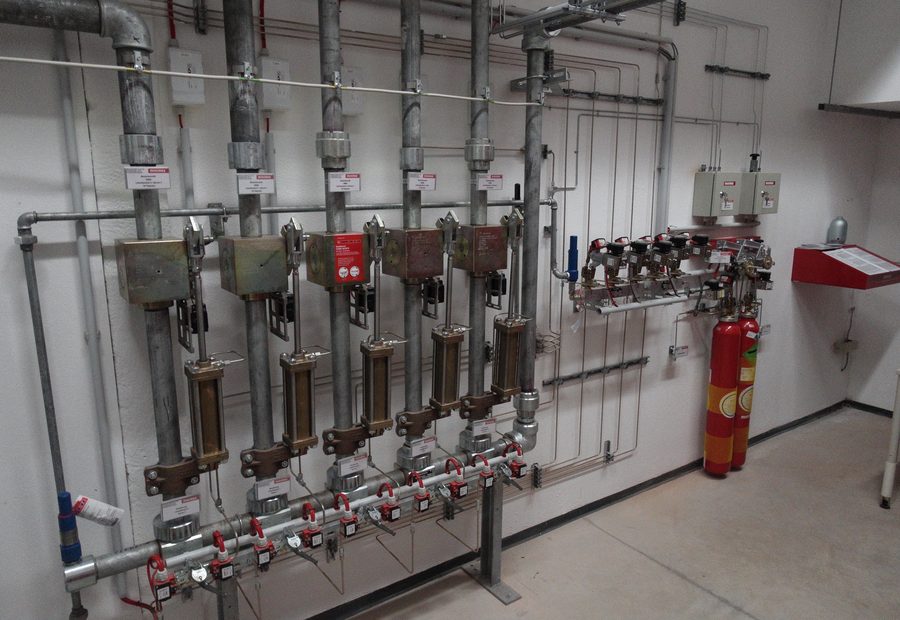
Project profile
| Audit type | Energy audit to DIN EN 16247-1 under sections 8 et seq. EDL-G |
|---|---|
| Industry | Information technology: IT services and data centre operations |
| Focus areas | Server operations, air conditioning and ventilation of the server rooms, lighting, fixed and portable equipment |
| Possible additional reviews | Cost-effectiveness analysis using the net present value method, review of funding options, energy indicators (incl. PUE), metering concept, photovoltaic and e-mobility potential, classification of EnEfG requirements |
More energy audits by INOPCO
References from industry, retail, IT and healthcare
Vehicle manufacturing: bodies and trailers
Hall heating, compressed air and production equipment assessed at an extensive production site, including load profile analysis and benchmarking to VDI 3807.

Healthcare: specialist hospital
Heat supply with a CHP unit, medical equipment and listed buildings at four sites, assessed during ongoing hospital operations.
Retail: nationwide branch network
Multi-site procedure with clustering, a model branch and representative inspections across all sites and energy carriers, including the vehicle fleet.
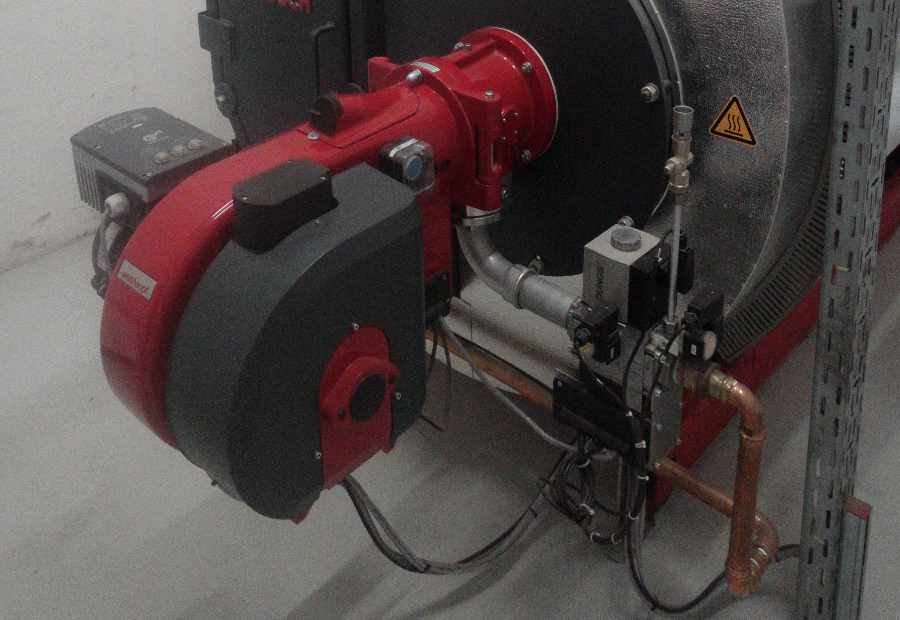
Chemicals: modified starch production
Process steam, production machinery and historic buildings in continuous shift operation, with load profile analysis and a review of on-site power generation.