

Energy audit to DIN EN 16247 for a specialist hospital with several sites
Heat supply with CHP, medical equipment and listed buildings during ongoing hospital operationsThe specialist hospital provides inpatient, day-clinic and outpatient care. The audit covered four sites: a historically developed hospital campus with many individual buildings, an area with diagnostics and laboratory in a neighbouring new hospital building, and two day clinics.

Audit type
Energy audit to DIN EN 16247-1 under sections 8 et seq. EDL-G
Industry
Healthcare: hospital with inpatient and day-clinic care
Sites
Four sites, focusing on the two with the highest consumption
Energy carriers
Natural gas and electricity, district heating and fuels assessed at a higher level
Why energy efficiency matters in hospitals
A hospital never stops. Heating, hot water, ventilation and medical equipment must be available at all times. Heat supply usually accounts for the largest share of energy demand and is still mostly covered by fossil fuels.
Efficient heat generation and distribution and transparent consumption data reduce costs and CO₂ emissions. Security of supply must not suffer in the process.
What was the focus of the audit?
Allocation of energy consumption to consumer groupsThe focus was on natural gas and electricity at the two sites with the highest consumption. Heat supply was the largest consumption area. We benchmarked area-related indicators against reference values for hospitals.
Smaller sites, district heating and fuels were assessed at a higher level in line with the 90 % rule.
How did the energy audit work?
From the kick-off meeting to the BAFA submission- Kick-off meeting: Define the scope, system boundaries and criteria for assessing measures.
- On-site inspection: Survey of the boiler house, local heating network, ventilation and lighting systems, and medical equipment.
- Data collection and analysis: Evaluate bills, meter readings, building and inventory data; model unmetered consumption to VDI 3807.
- Assessment and report: Derive measures and recommendations, assess cost-effectiveness using the net present value method, point out suitable funding programmes and prepare the energy audit report.
- Completion and BAFA submission: Online submission to BAFA and closing meeting with the organisation.
What made this audit special?
Conditions that shaped the approach and the resultListed buildings
Most of the buildings are listed. The focus was therefore on plant engineering, heat distribution and operational management.
Combined heat and power
The CHP unit produces electricity and heat at the same time. We allocated the gas input appropriately to both energy carriers.
Unmetered medical equipment
There was no consumption metering for the devices. We determined connected loads, operating hours and utilisation from company information, device data and empirical values.
Different tenure arrangements
Ownership, leases and rights of use meant different levels of influence on operation and maintenance at each site.

Project profile
| Audit type | Energy audit to DIN EN 16247-1 under sections 8 et seq. EDL-G |
|---|---|
| Industry | Healthcare: hospital with inpatient and day-clinic care |
| Focus areas | Heat generation with CHP unit and boilers, local heating network, hot water, medical equipment, IT, lighting and other electrical consumers |
| Possible additional reviews | Energy indicators benchmarked against reference values for non-residential buildings, cost-effectiveness analysis using the net present value method, review of funding options, assessment of the metering concept, classification of requirements under EnEfG, EnSimiMaV and CSRD |
More energy audits by INOPCO
References from industry, retail, IT and healthcare
IT service provider with data centre
Electricity consumption of servers, air conditioning and offices broken down across two leased sites, with separate indicators for server and office space.

Vehicle manufacturing: bodies and trailers
Hall heating, compressed air and production equipment assessed at an extensive production site, including load profile analysis and benchmarking to VDI 3807.
Retail: nationwide branch network
Multi-site procedure with clustering, a model branch and representative inspections across all sites and energy carriers, including the vehicle fleet.
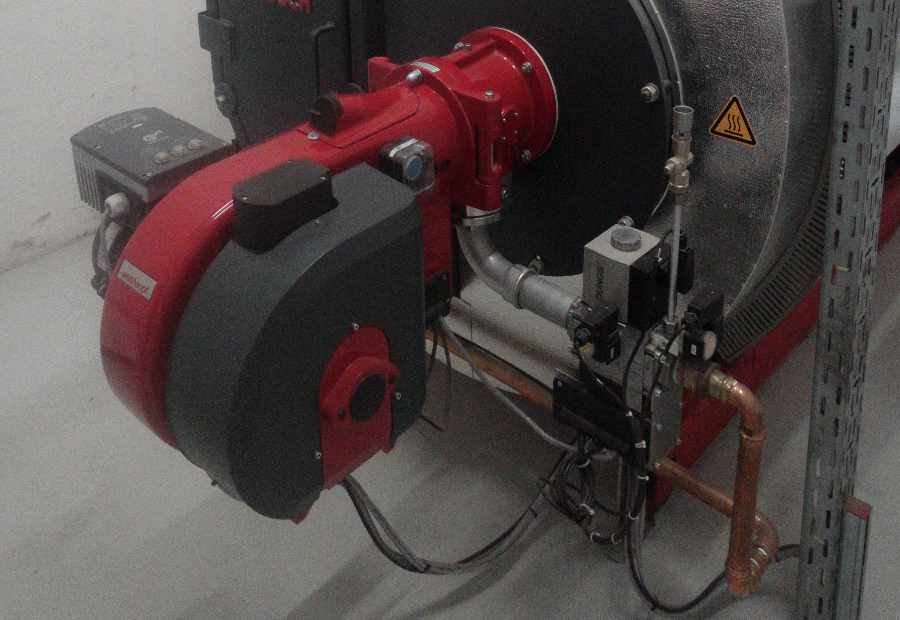
Chemicals: modified starch production
Process steam, production machinery and historic buildings in continuous shift operation, with load profile analysis and a review of on-site power generation.